Knowing how to choose kitchen gadgets that genuinely suit your cooking style is one of the most impactful decisions a home cook can make. According to the Harvard T.H. Chan School of Public Health, people who cook at home regularly consume significantly healthier diets and spend considerably less on food than those who rely primarily on restaurant and takeaway meals — making the right kitchen tools a genuine investment in both health and financial wellbeing. Yet millions of home cooks waste money every year on gadgets that look appealing in stores and online but end up unused in kitchen cupboards within weeks of purchase.
The difference between a kitchen gadget that transforms your cooking routine and one that collects dust permanently is almost never about price or brand — it is about whether the tool genuinely matches your specific cooking style, kitchen size, skill level, and daily cooking habits. A $200 stand mixer is a transformative investment for someone who bakes weekly and completely wasted money for someone who never bakes at all.
This guide cuts through the overwhelm of the enormous kitchen gadget market and gives you a clear practical framework for identifying exactly which tools will genuinely improve your cooking experience — and which ones will disappoint regardless of how appealing they seem at the point of purchase.
Step 1 — Understand Your Actual Cooking Style
The single most important question before purchasing any kitchen gadget is brutally simple — what do you actually cook on a regular basis? Not what you aspire to cook, not what you cook on special occasions, but what you genuinely prepare for everyday meals week after week.
Be completely honest with yourself about this. Most people dramatically overestimate the variety and ambition of their everyday cooking when buying kitchen gadgets — purchasing tools for the elaborate weekend cooking projects they imagine doing but rarely actually execute.
The everyday cook:
If your typical weeknight dinner involves pasta, stir fries, simple meat and vegetables, and reheated leftovers — your gadget needs are fundamentally different from a passionate baker or a dedicated meal prepper. Focus on tools that make your actual everyday cooking faster and easier rather than tools designed for cooking styles you do not currently practice.
The passionate baker:
If you bake bread, cakes, cookies, or pastries regularly — precision tools become genuinely important. A quality kitchen scale, reliable hand mixer, and accurate measuring tools deliver meaningful improvements in baking consistency that casual cooks simply do not need.
The meal prepper:
If you batch cook on weekends for the week ahead — high capacity, multi functional appliances that process large quantities efficiently become your priority. A large food processor, high capacity instant pot, and quality storage solutions matter far more than single serve gadgets.
The quick cook:
If weeknight time constraints mean dinner needs to be on the table in 20–30 minutes — speed focused appliances like air fryers, pressure cookers, and electric kettles that dramatically reduce cooking time deliver the most meaningful everyday value.
The health focused cook:
If nutritional quality and cooking method matter as much as taste — tools that support healthy cooking methods like steaming, air frying, and precise portion control align directly with your cooking priorities.
Step 2 — Honestly Assess Your Kitchen Size and Storage
The most beautifully designed kitchen gadget becomes an immediate source of frustration if your kitchen cannot accommodate it comfortably. Kitchen size and storage capacity should be the second major filter in any gadget purchasing decision.
Small kitchen considerations:
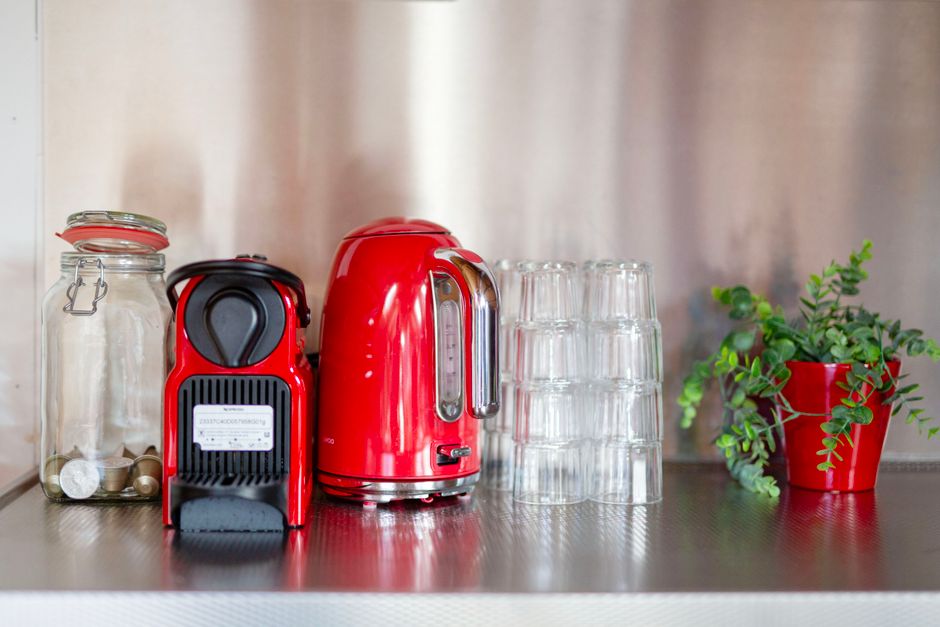
Counter space in small kitchens is genuinely precious real estate. Every permanent counter appliance occupies space that might be needed for food preparation. Ask yourself honestly — does this gadget earn its permanent counter position through daily use, or will it get moved to a cabinet after the initial novelty wears off?
Multi functional appliances that replace multiple single purpose tools make particular sense for small kitchens. An instant pot that replaces a slow cooker, rice cooker, and steamer simultaneously frees up the storage space those three separate appliances would have occupied.
Cabinet storage reality:
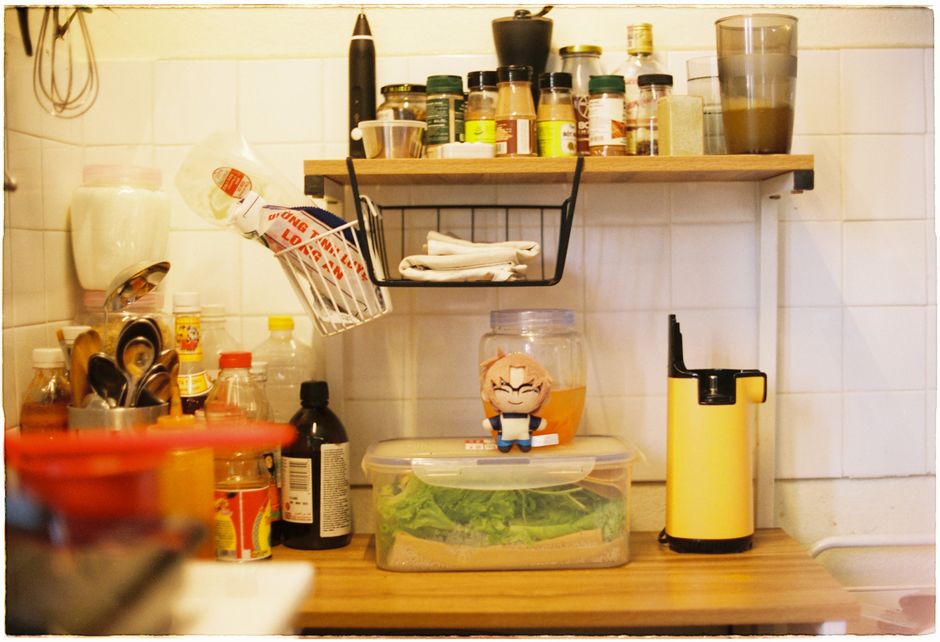
Before purchasing any kitchen gadget consider where it will live when not in use. Gadgets without a clearly identified storage location almost always end up on counters permanently — gradually accumulating until the kitchen feels cluttered and chaotic.
Weight and accessibility:
Heavy appliances stored in hard to reach locations get used far less frequently than they would if stored conveniently. A stand mixer stored on the bottom shelf of a deep cabinet gets used far less than the same mixer sitting permanently on the counter.
Step 3 — Match Gadgets to Your Actual Skill Level
Kitchen gadgets exist on a spectrum from completely foolproof to genuinely demanding in terms of the skill and technique required to use them effectively. Purchasing gadgets that exceed your current skill level leads to frustration, abandonment, and wasted money.
Beginner cooks benefit most from gadgets that automate the most technique dependent aspects of cooking — rice cookers that produce perfect rice without monitoring, egg cookers that eliminate the timing guesswork of boiled eggs, and digital kitchen scales that replace the imprecision of volume measuring with accurate weight measurements.
Intermediate cooks who have mastered basic techniques benefit from tools that expand their repertoire — a mandoline slicer for professional uniform cuts, a food processor for efficient large quantity preparation, or a quality blender for soups and sauces that elevate everyday cooking quality significantly.
Advanced home cooks who already cook confidently benefit most from precision tools that refine results — a high quality chef’s knife that improves every cutting task, a precise kitchen thermometer that ensures perfect protein doneness, or a pour over coffee setup that extracts maximum flavor from quality beans.
Step 4 — Prioritize Versatility Over Specialization
The kitchen gadgets that deliver the most genuine long term value are almost always those that serve multiple cooking functions rather than single purpose tools designed for one specific task.
High versatility — high value:
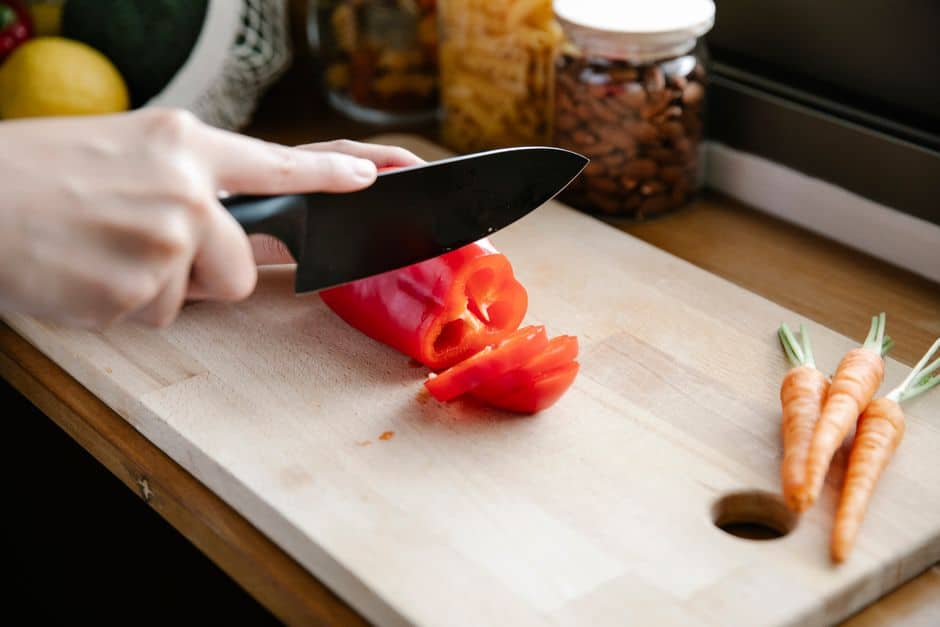
A quality chef’s knife handles 90% of all cutting tasks — chopping, slicing, dicing, mincing, and disjointing. A high powered blender makes smoothies, soups, sauces, and nut butters. An instant pot pressure cooks, slow cooks, steams, sautés, and makes rice. These multi functional tools earn their kitchen space through daily varied use.
Low versatility — lower value:
Single purpose gadgets like avocado slicers, strawberry hullers, and mango splitters perform their specific task efficiently but offer nothing beyond that one application. Only purchase single purpose gadgets when you use that specific ingredient or technique so frequently that the time saving genuinely justifies the counter or storage space.
The versatility test:
Before purchasing any gadget ask yourself honestly — will I use this for at least three different cooking applications on a regular basis? If the honest answer is no — reconsider whether the purchase genuinely justifies its space and cost.
Step 5 — Consider Your Cleaning and Maintenance Tolerance
The most feature packed kitchen gadget becomes genuinely counterproductive if cleaning and maintaining it takes longer than the time it saves during cooking. Cleaning tolerance is a deeply personal factor that dramatically affects which gadgets actually get used versus which ones get avoided because the cleanup feels like too much effort.
Dishwasher safe components make a significant practical difference for gadgets used daily. Hand wash only appliances with multiple small components that need thorough cleaning between uses get used far less frequently than dishwasher safe alternatives — regardless of how much better they perform.
Complexity of disassembly directly affects cleaning frequency. A blender that requires unscrewing the blade assembly for thorough cleaning gets washed less often than one where the entire jar goes in the dishwasher. A food processor with eight separate components that all need washing after every use gets avoided on busy evenings.
Honest self assessment:
If you know from experience that you avoid any cooking task involving significant cleanup effort — prioritize gadgets with the simplest possible cleaning process over those with superior performance but complex maintenance requirements.
Step 6 — Set a Realistic Budget and Stick to It
Kitchen gadgets range in price from under $10 to over $500 for the same basic function — a blender can cost $15 or $600 depending on brand and features. Understanding where price genuinely correlates with meaningful performance improvement and where it primarily reflects brand premium helps you allocate your budget intelligently.
Where spending more genuinely matters:
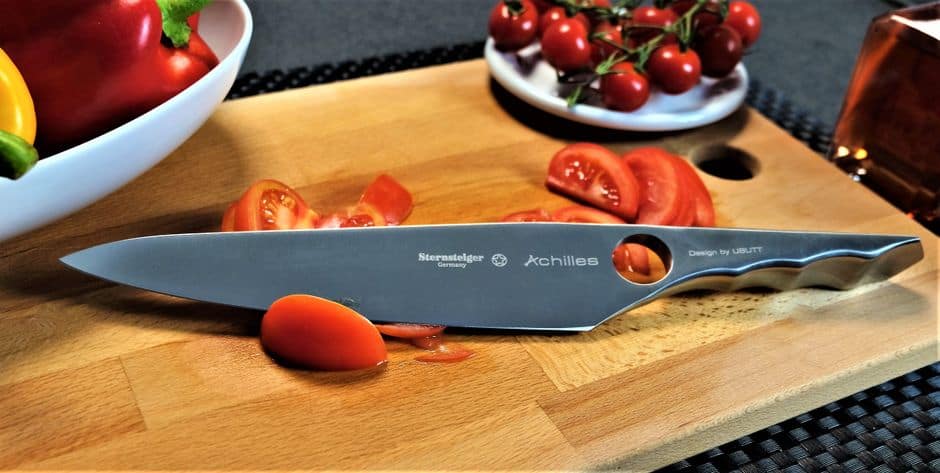
Chef’s knives — a quality blade holds its edge longer, cuts more precisely, and makes cooking noticeably more enjoyable. The difference between a $20 and $60 chef’s knife is immediately and consistently apparent in everyday use.
Blenders — motor power directly affects blending results with difficult ingredients. A $40 blender and a $200 blender produce noticeably different results with ice, frozen fruit, and fibrous ingredients.
Where budget options perform equally well:
Measuring cups and spoons, cutting boards, basic whisks, spatulas, and wooden spoons — the performance difference between budget and premium versions of these simple tools is minimal for most home cooks.
Kitchen scales — accuracy is the only meaningful variable and budget scales under $15 are typically accurate to within 1 gram — identical to scales costing five times as much.
Step 7 — The One Week Rule Before Every Purchase
Before purchasing any non essential kitchen gadget implement a simple one week waiting rule — add it to your wishlist, wait seven days, and then honestly reassess whether you still want it and genuinely believe you will use it regularly.
Impulse kitchen gadget purchases driven by attractive marketing, online reviews, or in store demonstrations account for the majority of kitchen gadgets that end up unused. The enthusiasm that makes a gadget seem essential in the moment of discovery rarely survives a week of honest reflection about actual cooking habits and kitchen space realities.
If after one week you still want the gadget and can clearly articulate at least three specific cooking tasks you will use it for regularly — buy it with confidence. If the desire has faded or you struggle to identify regular use cases — the purchase would almost certainly have been a waste.
The Essential Kitchen Gadget Checklist
Based on our research and reviews here are the genuinely essential gadgets that most home cooks benefit from regardless of cooking style:
Absolute essentials — every kitchen needs these:
- Quality chef’s knife — the single most impactful kitchen tool investment
- Digital kitchen scale — transforms baking consistency immediately
- Cutting board — large enough for comfortable prep work
- Kitchen thermometer — ensures perfect protein doneness every time
High value additions based on cooking style:
- Air fryer — quick cooking enthusiasts and health focused cooks
- Coffee maker or pour over — daily coffee drinkers
- Blender — smoothie makers, soup lovers, and sauce enthusiasts
- Food processor — batch cookers and frequent salad and vegetable preparers
- Instant pot — busy families and meal preppers
Worthwhile specialty purchases for frequent users:
- Egg cooker — daily egg eaters
- Mandoline slicer — frequent salad and vegetable preparers
- Kitchen scale — regular bakers and portion conscious cooks
- Milk frother — daily coffee drink enthusiasts
Final Thoughts on how to choose kitchen gadgets
The right kitchen gadgets make cooking faster, easier, and genuinely more enjoyable every single day. For a comprehensive overview of the most practical and affordable options available right now check out our complete guide to the best kitchen gadgets under $50 that actually work. The wrong ones create clutter, frustration, and wasted money that gradually accumulates into a kitchen full of unused appliances that make you feel guilty every time you see them.
The framework in this guide — understanding your cooking style, assessing your kitchen honestly, matching gadgets to your skill level, prioritizing versatility, considering cleaning tolerance, setting a realistic budget, and implementing the one week rule — gives you everything you need to make genuinely confident kitchen gadget decisions that you will not regret.
Every gadget we review and recommend on BudgetKitchenPick is evaluated against exactly these criteria — ensuring that our recommendations reflect tools that genuinely improve everyday cooking for real home cooks rather than aspirational purchases that disappoint in practice.
Quick cooking enthusiasts who prioritize speed and convenience above all else will benefit most from appliances that dramatically reduce active cooking time. Our complete guide to the best air fryers under $50 covers the most affordable options that deliver genuinely fast crispy results every single time.
Coffee and beverage enthusiasts have an entire category of dedicated gadgets that transform everyday drink preparation into a genuinely satisfying ritual. Check out our complete guide to the best coffee makers under $50 for the most affordable options that brew genuinely delicious coffee every morning. Check out our complete guide to the best rice cookers under $50 for foolproof rice cooking results every day.