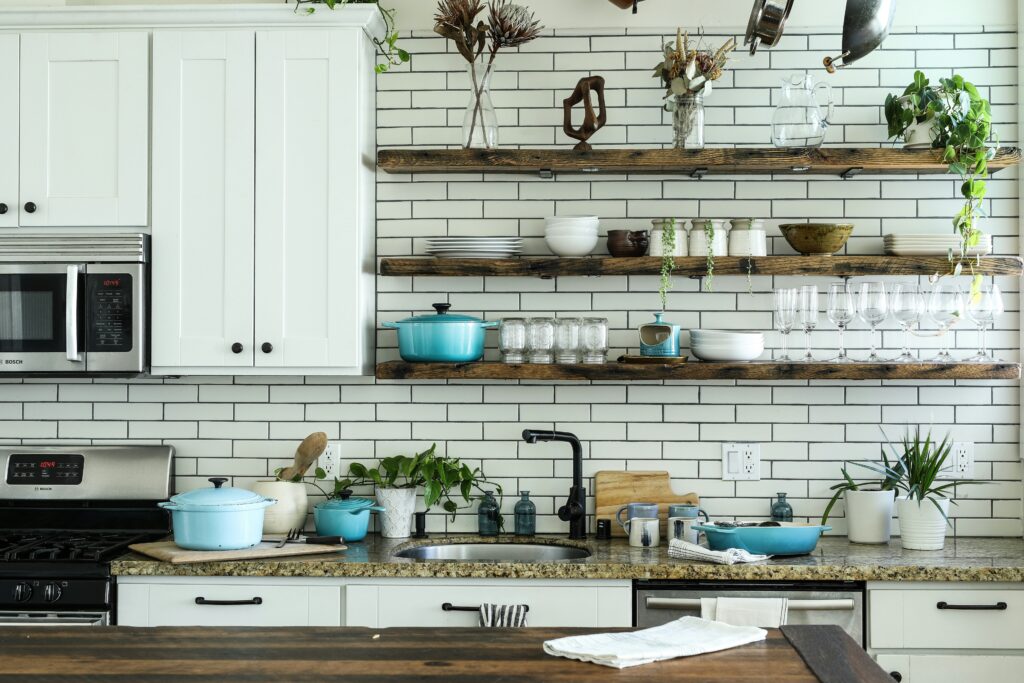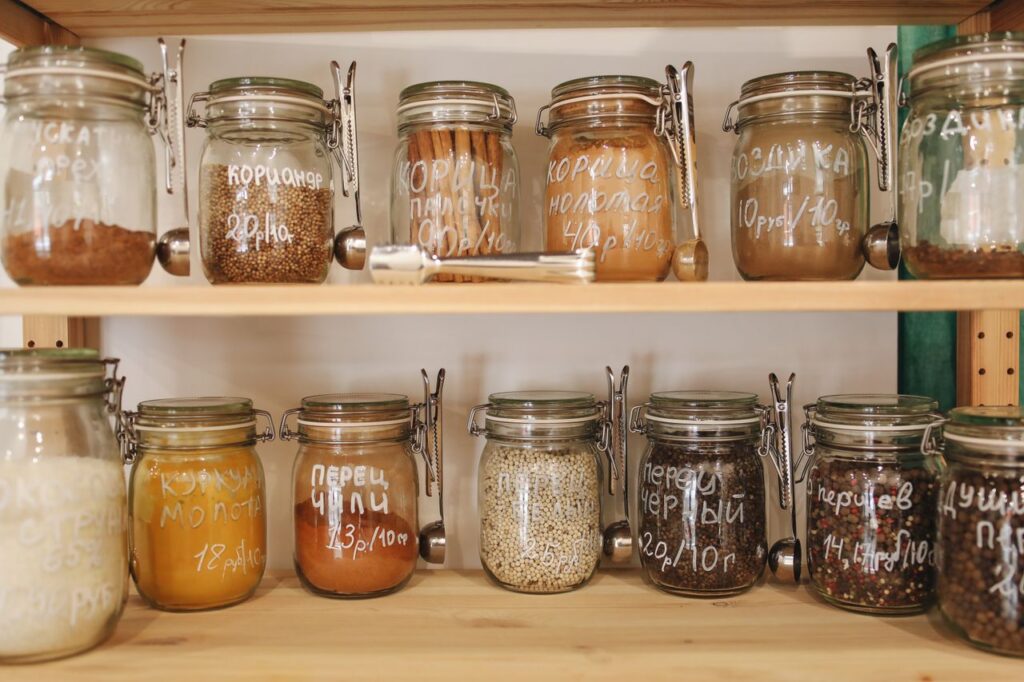
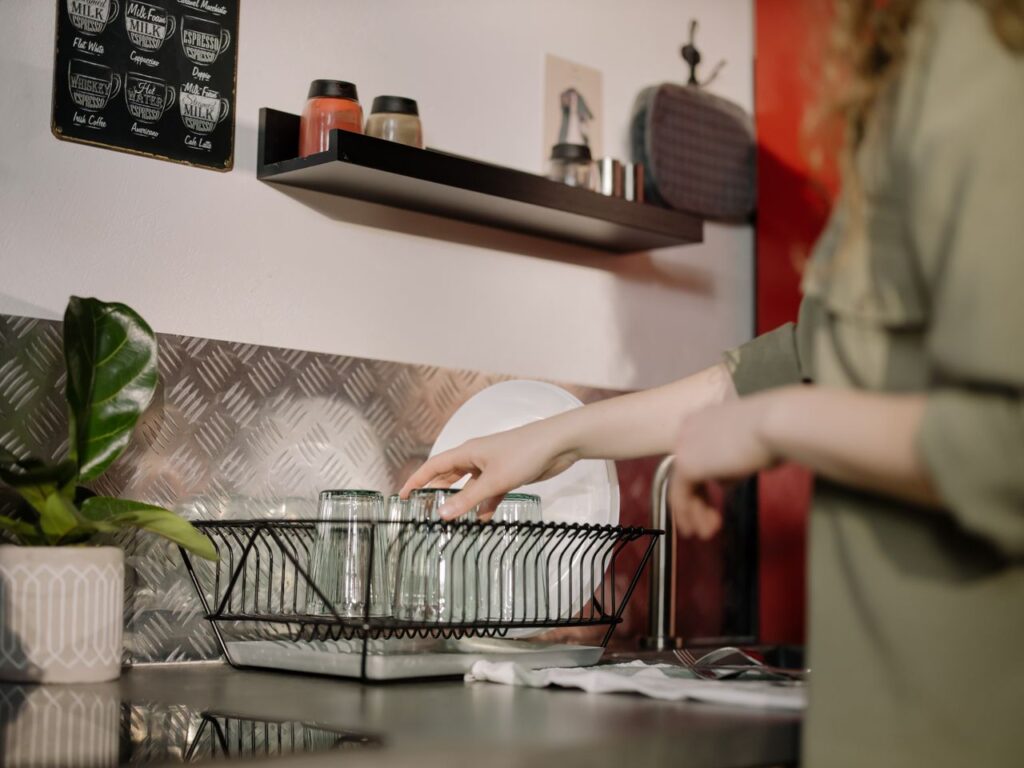
Knowing how to keep your kitchen clean and organized is one of the most impactful daily habits any home cook can develop. According to research published by the Cornell Food and Brand Lab, people in cluttered and disorganized kitchen environments consume significantly more calories make poorer food choices and report higher stress levels during meal preparation than those cooking in clean organized kitchen spaces — making kitchen organization a genuine health and wellbeing investment rather than simply an aesthetic preference. The kitchen that is clean organized and ready to cook in makes cooking faster more enjoyable and consistently more successful than the kitchen where finding equipment clearing counter space and managing clutter are required before actual cooking can begin.
The difference between a persistently clean organized kitchen and a perpetually chaotic one is almost never about how much time people spend cleaning — it is about whether they have the right daily habits and systems that prevent mess from accumulating rather than the cleaning sessions that address accumulation after it has already become significantly worse than it needed to be. Every tip in this guide focuses on the preventive approach that maintains kitchen organization through daily habits rather than the reactive cleaning that messy kitchens force on the cooks who use them.
Practical Tips on How to Keep Your Kitchen Clean And Organized
Following are some practical tips which can be used to keep your kitchen clean and organized:
Tip 1 — Implement the One-Touch Rule for Every Item
The single most effective kitchen organization habit is the one-touch rule — the discipline of returning every item to its designated storage position after every single use rather than setting it down on whatever surface is convenient with the intention of returning it properly later.
The “set it down temporarily” behavior is the primary driver of kitchen clutter accumulation — the cutting board left on the counter after use the mixing bowl placed near the sink instead of in the cabinet and the spices left on the counter after cooking that collectively transform a clean kitchen surface into a cluttered one in the span of a single cooking session. Each individual item feels too minor to immediately address but the accumulated effect of ten items treated this way after every meal produces the counter clutter that makes the kitchen feel perpetually disorganized despite regular cleaning effort.
The one-touch rule requires only that you return each item directly to its storage position as the final step of using it — the 10-second action that cumulatively prevents the accumulation that hours of subsequent tidying would address less effectively. Build the one-touch rule as a non-negotiable kitchen habit and counter clutter becomes a non-issue rather than a daily frustration.
Tip 2 — Clean as You Cook Rather Than After You Finish
Cleaning as you cook — washing the bowl immediately after mixing the batter placing the cutting board in the dishwasher while the onions saute and wiping the counter surface between cooking stages — transforms post-meal cleanup from a 20-minute cleanup into a 5-minute final pass that addresses only what the active cooking phase could not clean mid-process.
The psychological barrier to clean-as-you-cook behavior is the false belief that cooking and cleaning are sequential activities — cook first then clean after. The practical reality is that most cooking involves significant waiting periods during which cleaning happens naturally alongside cooking when the habit is established rather than sequentially after cooking is complete.
The stovetop splatter that gets wiped immediately after it occurs takes 10 seconds to clean. The same splatter allowed to bake onto the stovetop surface through subsequent cooking sessions takes 5 minutes of scrubbing to remove. This compounding difficulty multiplication applies to every kitchen surface — immediate attention requiring minimal effort and delayed attention requiring progressively more as residues harden bond and accumulate.
Tip 3 — Establish Dedicated Zones for Every Kitchen Category
Zone organization — grouping all items belonging to the same functional category in one dedicated area rather than distributing them throughout available cabinet and drawer space wherever they happen to fit — is the organizational principle that makes kitchen operation fastest and kitchen maintenance most sustainable.
The standard kitchen zone structure that works best for most kitchen configurations places cooking tools immediately adjacent to the stovetop prep tools near the primary prep counter baking supplies near the mixer or baking workspace and daily-use items including coffee and breakfast supplies in the most accessible cabinet positions near the areas where morning routines happen. This zone alignment means every item is stored at its point of use — the proximity that makes both retrieval and return fastest and therefore most likely to happen consistently.
Zone organization also makes restocking and cleaning most efficient — each zone having a clear scope that makes it immediately obvious when something is out of place and exactly where it belongs. The kitchen without zone structure requires remembering individual item locations rather than categorical zone logic — the memory burden that zone organization eliminates through spatial category consistency.
Tip 4 — Adopt a Daily 10-Minute Kitchen Reset
The daily kitchen reset — a dedicated 10-minute session at the end of each day that restores the kitchen to its clean organized baseline regardless of what the day’s cooking produced — is the maintenance habit that prevents the accumulation that weekly cleaning sessions address too infrequently and that mid-cooking tidying cannot always fully address.
The 10-minute reset covers five specific tasks in a consistent order that prevents the session from expanding beyond its time allocation: clearing all counter surfaces of items that do not belong there permanently wiping all counter surfaces and the stovetop running the dishwasher or completing hand-washing of any remaining dishes sweeping or quickly mopping the floor if cooking residue is present and returning any misplaced items to their zone positions.
This 10-minute investment at the end of each day means every morning begins in a clean organized kitchen rather than with the previous day’s accumulated mess — the fresh-start kitchen that makes morning cooking and throughout-the-day use consistently more pleasant than the morning cleanup-before-cooking routine that neglected daily resets require.
Tip 5 — Keep Only What You Actually Use on the Counter
Counter space is the most valuable real estate in any kitchen — the active workspace where food preparation happens and where clutter most directly interferes with the cooking process. Yet most kitchen counters are permanently occupied by appliances decorative items and miscellaneous objects that reduce the active workspace below what comfortable efficient cooking requires.
The counter-use audit that produces the most significant immediate kitchen improvement evaluates every item currently on your counter against one question — do I use this at least three times per week? Items that meet this threshold earn their counter position. Items that do not — including the rarely-used appliances the decorative items that could live on a shelf and the accumulated mail and miscellaneous objects that default to counter surfaces — move to cabinet storage display shelves or out of the kitchen entirely.
The counter cleared of non-essential items provides the active workspace that enjoyable efficient cooking requires — the surface area that transforms the physical cooking experience from a cramped frustrating process into a spacious comfortable one that makes cooking genuinely more enjoyable regardless of recipe complexity.
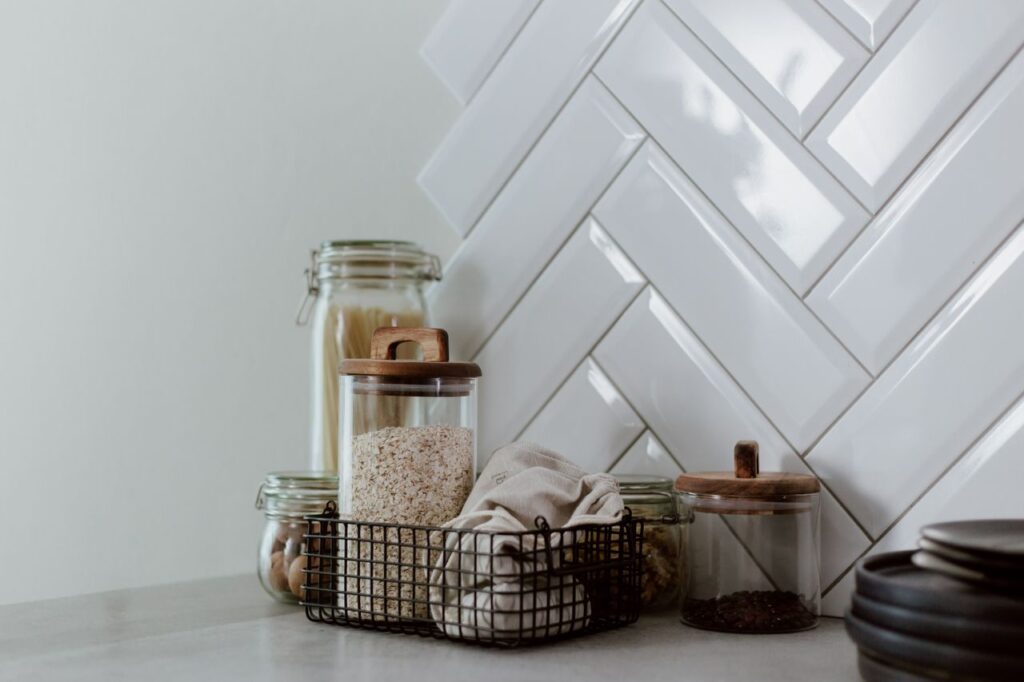
Tip 6 — Organize Cabinets and Drawers by Frequency of Use
Cabinet organization that places the most frequently used items at the most accessible positions — eye-level shelves and front-of-cabinet positions — and the least frequently used items at the least accessible positions — highest and lowest shelves and deepest cabinet positions — produces the fastest everyday kitchen operation and the most sustainable kitchen maintenance.
The frequency-of-use organization principle is violated in most kitchens through the accumulation pattern where items are stored where they physically fit rather than where their usage frequency dictates they should be — the result being that daily-use items require reaching past occasional-use items in difficult positions while rarely-used items occupy prime accessible positions that daily-use alternatives would serve better.
Reorganizing one cabinet or drawer per week using the frequency-of-use principle progressively transforms kitchen operation efficiency without the overwhelming single-day total kitchen reorganization that most people successfully plan but few successfully execute.
Tip 7 — Manage Food Storage with a First-In-First-Out System
Food waste from expired and forgotten items is both a financial waste and an ongoing kitchen organization challenge — the expired canned goods taking up shelf space the forgotten produce wilting in refrigerator drawers and the duplicated staples purchased because the existing supply was invisible rather than deliberately checked before shopping.
The first-in-first-out system — placing new purchases behind existing stock so that older items are always at the front and used first — eliminates the expiration and forgotten food problems that random food storage placement consistently produces. This system requires only that new groceries go behind existing stock rather than in front of it — a 30-second repositioning habit per grocery trip that eliminates the food waste and storage clutter that expiration accumulation creates.
Regular refrigerator audits — a weekly 5-minute check before grocery shopping that identifies what needs to be used before the next shop — produce the most immediate reduction in food waste and the most significant improvement in refrigerator organization clarity of any single refrigerator management habit.
Tip 8 — Deep Clean One Kitchen Area Per Week
The weekly deep clean approach — assigning each major kitchen area to a specific day of the week for thorough cleaning that goes beyond the daily surface maintenance — maintains genuine cleanliness standards without the overwhelming periodic total kitchen deep clean that most people defer until the accumulated need becomes undeniable.
The weekly deep clean schedule that covers all major kitchen areas across seven days assigns Monday to the refrigerator interior Tuesday to the oven and stovetop Wednesday to cabinets and drawers Thursday to small appliances Friday to the sink and faucet area and the weekend to the floor and backsplash. Each individual area deep clean takes 10 to 20 minutes — a completely manageable weekly commitment that collectively maintains the kitchen at a hygiene standard that daily surface cleaning alone cannot sustain.
The deep clean rotation also serves as a natural inventory and organization audit — the cabinet cleaning session that reveals expired items the oven cleaning that encourages better splatter management and the refrigerator cleaning that reorganizes the food storage that daily use progressively disorganizes.
Tip 9 — Invest in the Right Storage Solutions for Your Specific Kitchen
Generic storage advice that works brilliantly in one kitchen configuration fails in another because the specific constraints and opportunities of each kitchen — cabinet dimensions drawer depths counter layouts and available wall space — determine which storage solutions actually improve organization and which create additional friction.
The most impactful storage investment for most kitchens is inside-cabinet organization — the shelf risers drawer organizers pan lid holders and stackable containers that transform the wasted depth and height of standard cabinet interiors into efficiently used organized space. Most kitchen cabinets use only 40 to 50 percent of their interior volume through flat single-layer storage that leaves the space above items and behind items completely unused.
Drawer organizers that dedicate specific positions to specific utensil categories eliminate the drawer rummaging that unorganized drawers require for finding specific items — the 30-second search that happens dozens of times per day adding up to a genuinely significant time cost across a week of cooking and the organizational frustration that disorganized drawers consistently produce.
Tip 10 — Create a Weekly Kitchen Maintenance Ritual
The weekly kitchen maintenance ritual — a defined consistent session each week that addresses the tasks beyond daily reset scope — maintains the kitchen organization baseline that daily habits preserve between sessions and that deep cleaning sustains hygienically across the full kitchen environment.
The weekly ritual that takes 30 to 45 minutes covers six consistent tasks: refrigerator audit before grocery shopping cabinet and pantry quick check for anything approaching expiration complete counter wipe-down including items that daily maintenance wipes around rather than under full dishwasher or cabinet organization reset that addresses any zone drift that the week’s use produced and floor mopping that the quick daily sweep cannot fully address.
The consistency of the weekly ritual — same day same sequence same scope — transforms it from a decision that requires motivation and planning into an automatic maintenance behavior that happens regardless of motivation because the habit structure eliminates the decision-making that prevents inconsistent cleaning from happening when motivation is absent.
All organization tips in this guide apply to kitchens of every size and layout — from studio apartment galley kitchens through full family home kitchens. For the specific organizational products that implement many of these tips check out our complete guide on how to organize a small kitchen — 10 brilliant tips that work specifically for the space-constrained kitchens where organization matters most. And for the most enjoyable weekend breakfast appliance you can add to your clean organized kitchen check out our complete guide to the best waffle makers for home cooks in 2026 — 10 brilliant picks that deliver perfectly crispy golden waffles every single time.
A clean organized kitchen is not a destination you reach once — it is a system you maintain daily through the habits that prevent mess from accumulating rather than the heroic cleaning sessions that address mess after it has already become overwhelming. And once your kitchen is clean and organized make the most of it with our complete guide on how to meal prep for the week in two hours — the system that uses your organized kitchen to produce a full week of healthy meals in one efficient session.
Frequently Asked Questions
Q: How long does it actually take to maintain a clean organized kitchen daily?
A: With the habits in this guide established consistently the daily time investment is 15 to 20 minutes total — the 10-minute end-of-day reset plus the clean-as-you-cook time that happens during cooking rather than as additional dedicated time. The initial setup of zone organization and counter clearing takes a few hours once and then daily maintenance keeps the system running with minimal ongoing effort.
Q: What is the single most important kitchen cleaning habit to establish first?
A: Clean as you cook — Tip 2. This single habit reduces post-meal cleanup effort more dramatically than any other change because it addresses mess at its point of creation when it is smallest and easiest rather than after it has accumulated and hardened through subsequent cooking sessions and time.
Q: How do I maintain kitchen organization with children or multiple household members?
A: Zone organization with visual labeling is the most effective multi-person kitchen organization approach — labeled cabinet positions and clearly defined zones that everyone in the household can follow without needing to remember individual item locations. Brief household agreements about specific habits — nothing goes on the counter after use everything returns to its zone position — combined with zone systems that make compliance genuinely easy produce the most sustainable multi-person kitchen organization.
Q: How often should I completely reorganize my kitchen?
A: A complete kitchen reorganization is necessary only when the current system is genuinely not working — when you find yourself regularly searching for items or when the kitchen feels consistently chaotic despite daily maintenance efforts. A well-designed initial zone organization system should require only periodic adjustment rather than complete reorganization — the weekly deep clean audit identifying and correcting zone drift before it accumulates enough to require complete system reset.
Q: What are the worst kitchen organization mistakes to avoid?
A: Storing items where they fit rather than where they are used producing the zone misalignment that makes both retrieval and return inconvenient. Keeping items you never use in prime accessible positions that frequently used alternatives need. Allowing the counter to become a default surface for items without other designated homes. And attempting a single overwhelming total kitchen organization session rather than the sustainable gradual improvement that one zone or cabinet per week produces more successfully and more permanently.
Conclusion
Knowing how to keep your kitchen clean and organized is ultimately about building the specific habits that prevent mess from accumulating rather than the cleaning skills that address mess after it has become significant. The 10 tips in this guide are each individually impactful and collectively transformative when applied consistently — the daily reset the one-touch rule the zone organization and the weekly maintenance ritual together producing the kitchen that stays clean and organized through daily use rather than requiring the periodic heroic intervention that the kitchens without these systems need.
Start with one tip this week rather than attempting all ten simultaneously. The one-touch rule and the clean-as-you-cook habit are the two highest-impact starting points for most cooks whose kitchens currently feel persistently messy despite regular cleaning effort.
Explore the complete collection of kitchen guides and reviews at BudgetKitchenPick.com — Budget Kitchen Pick Blogs Page — for more practical advice on kitchen tools appliances organization and cooking techniques that make every meal better.